
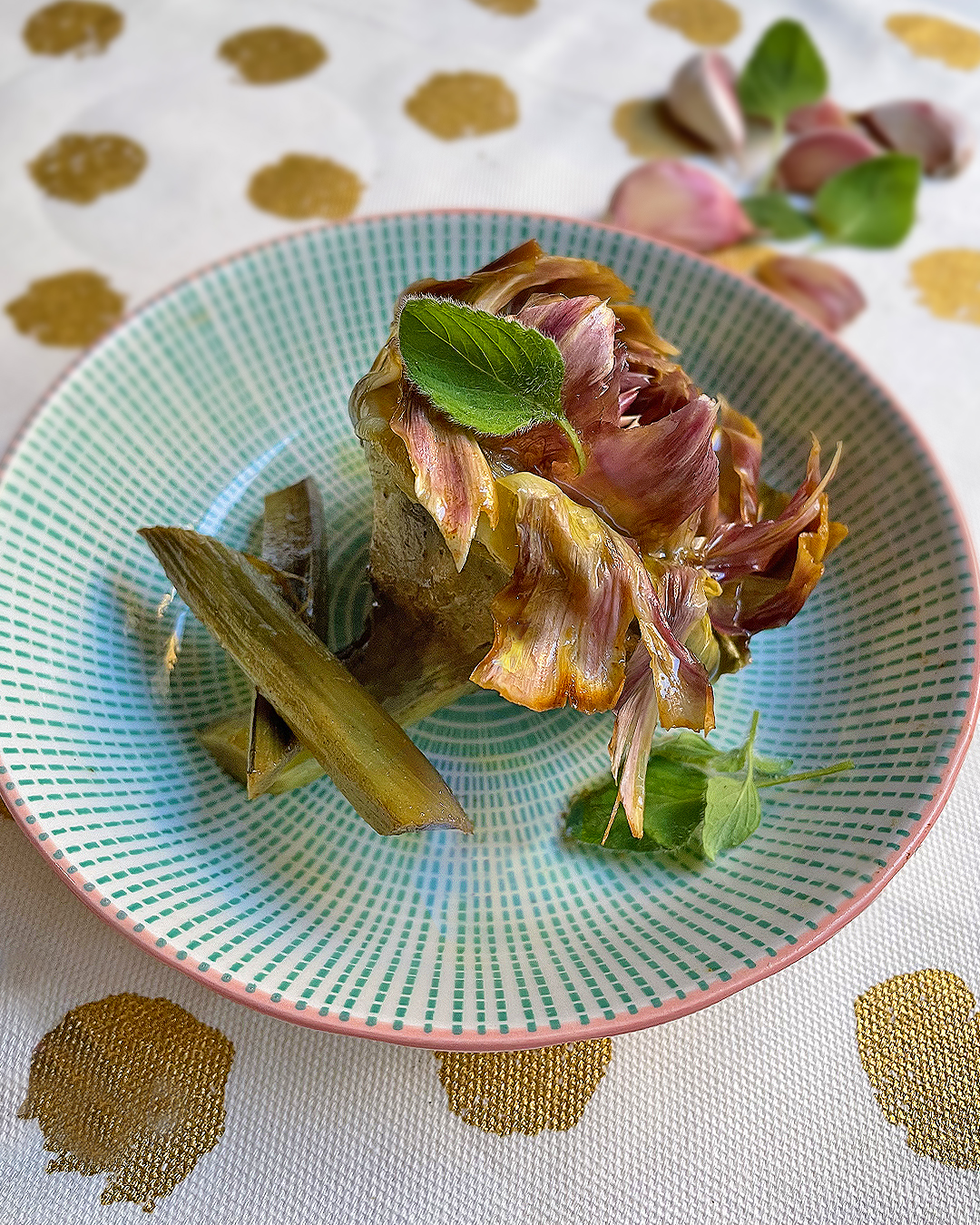
Artichoke Roman Style
 (No Ratings Yet)
 Loading...
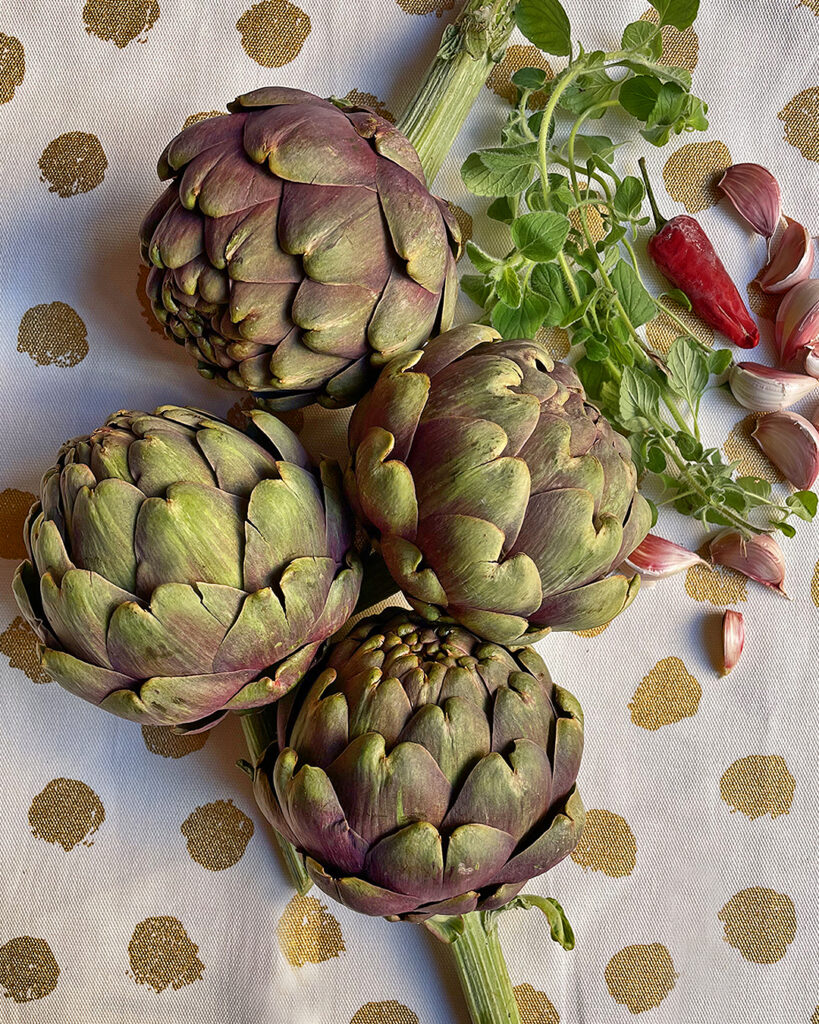
Artichoke Roman-Style is one of the iconic dishes of my city. From Christmas to Easter the artichokes can be admired in the market stalls in all their beauty. They change shape and color, but the real Roman artichoke, grown in the countryside near the sea that go from Rome to the south, up to Naples, is round with green leaves that fade to violet This recipe is the classic recipe that you can find in all the restaurants and famous “trattorie” of the historic center. Absolutely to try
Ingredients
- Artichokes 4 (1 per person)
- Garlic 2 cloves
- Peperoncino 1
- Anchovy 1 fillet (optional)
- Extra Virgin Olive Oil
- Fresh "Mentuccia" (Nepitella)
Instructions
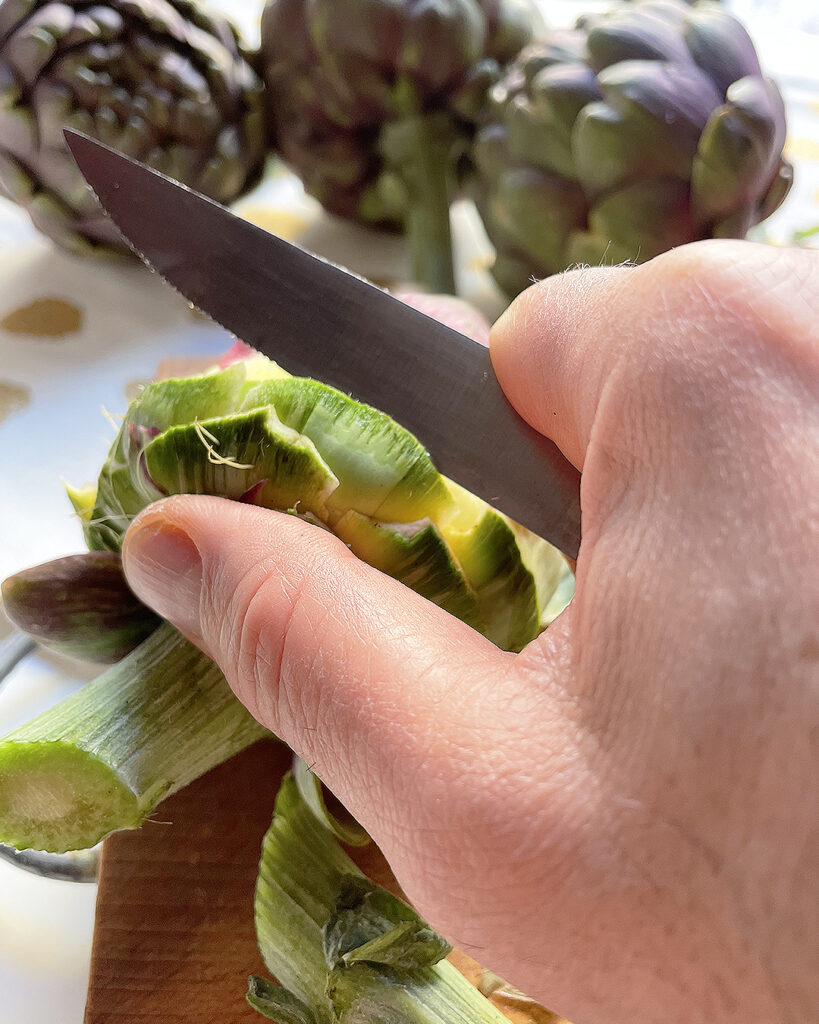
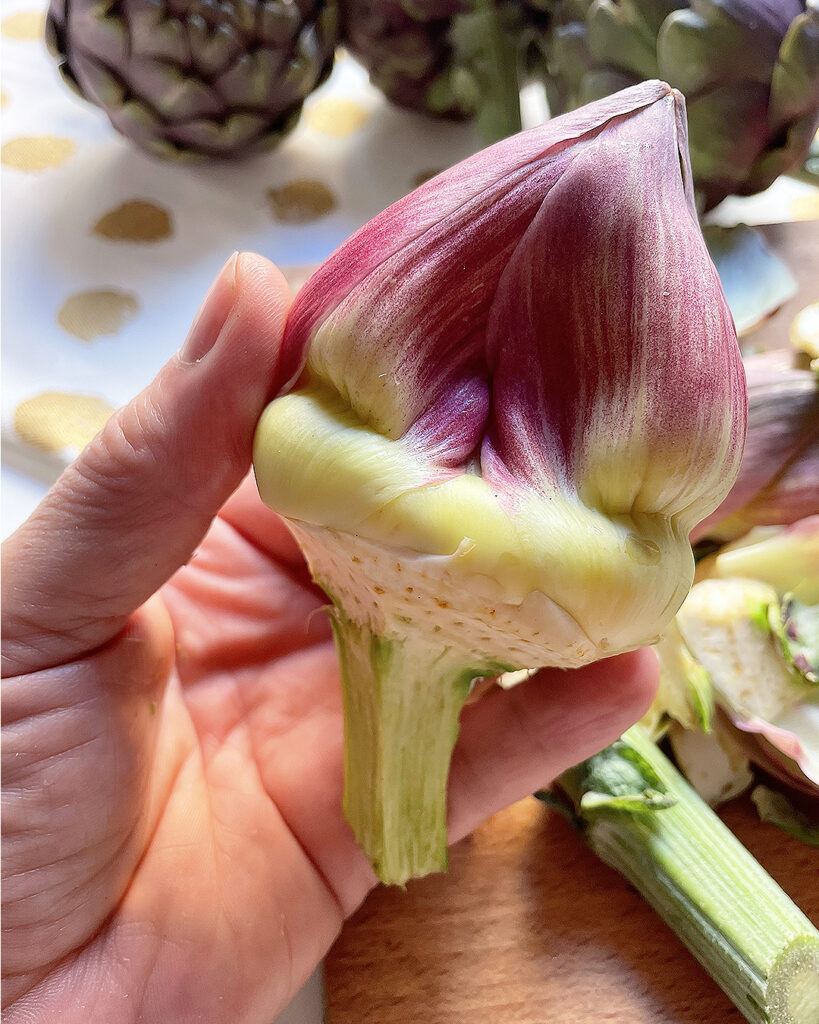
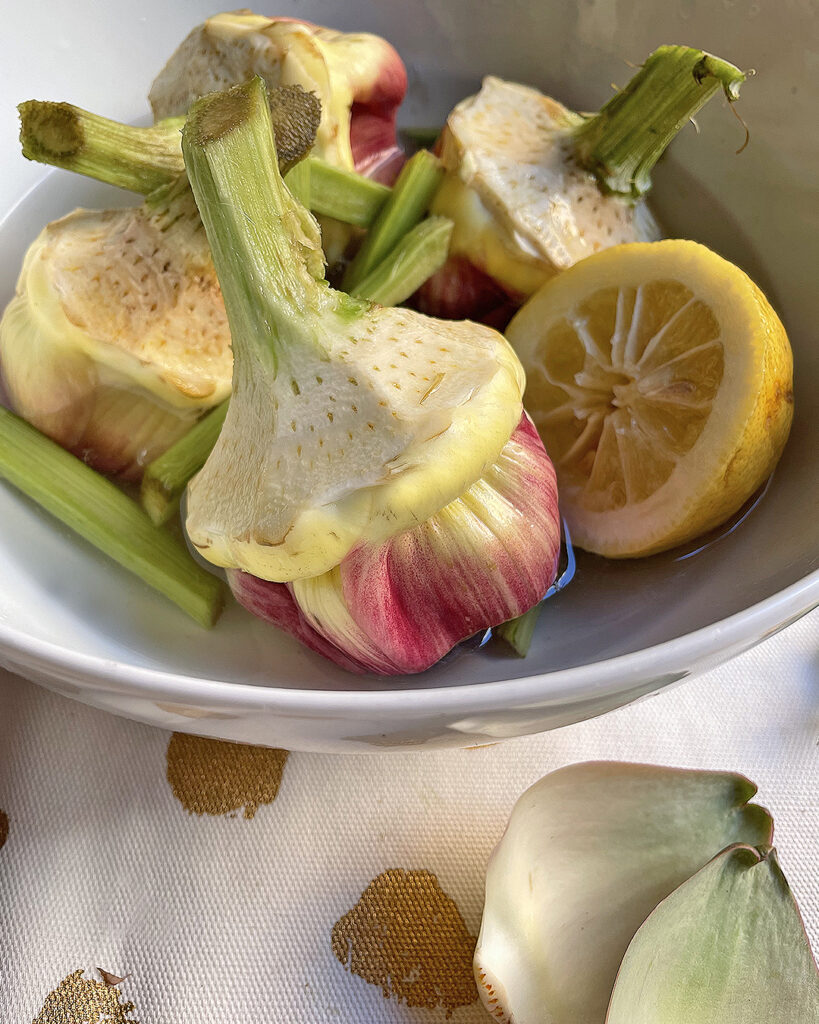
Prepare the artichokes by tearing all the external leaves - which are hard and bitter - with your fingers, until you bring to light the more tender ones that surround the "heart". With a sharp knife, cleanly cut the tip of the artichoke about 2 centimeters from the top. Then remove the attachments of the removed leaves, in order to free the "belly". Finally, cut the stem about an inch from the belly and scrape the filamentous outer part. Do not throw the rest of the stem! Save the greenest part, clean it and cut it in 4 lengthwise
The freshly cleaned artichoke should be rubbed immediately with half a lemon and immersed in water (always acidulated with lemon) to prevent it from blackening
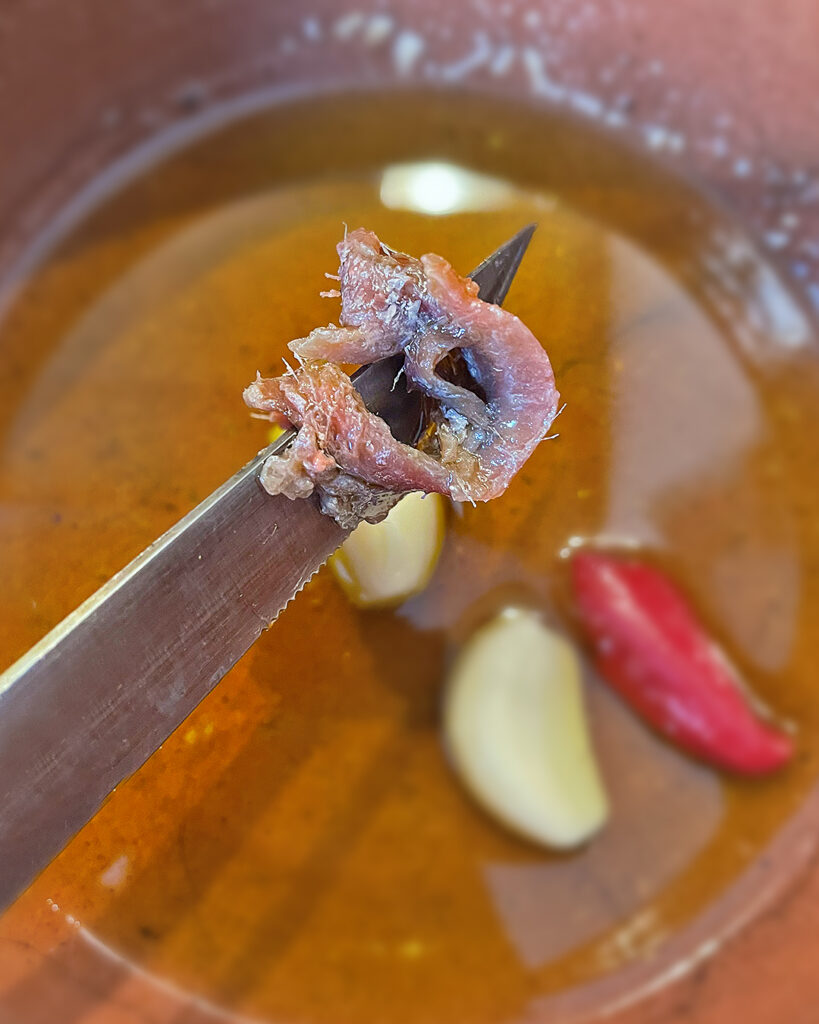
Choose a pot that can comfortably "embrace" your artichokes, deep but not too wide: add 2 cloves of garlic, 1 peperoncino, plenty of extra virgin olive oil and heat. I also add my personal secret ingredient: an anchovy fillet, but it is not essential
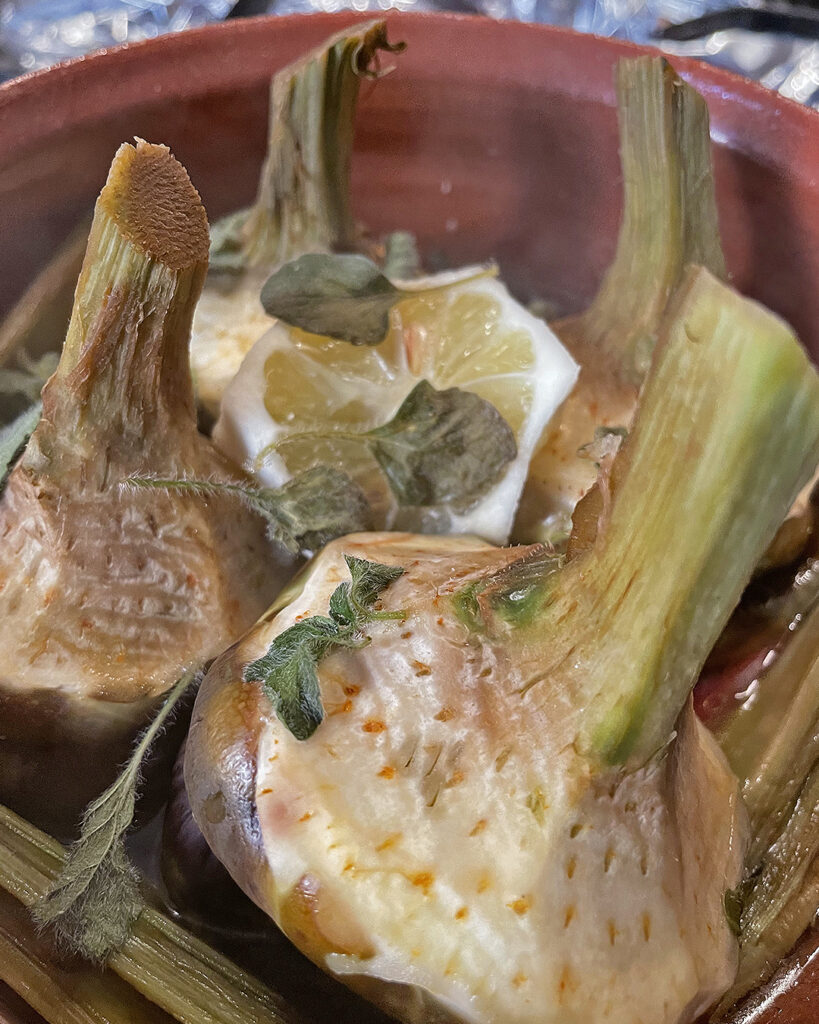
When the garlic is browned, remove it with the chilli and arrange the artichokes, squeezed out of excess water, upside down, with the stems upwards so that the leaves can brown in boiling oil. Add salt by dropping it directly on the belly of each individual artichoke. I add also the squeezed lemon, peeled
If you have any, now add a few leaves of mint (Nepitella) for a pleasant touch of freshness
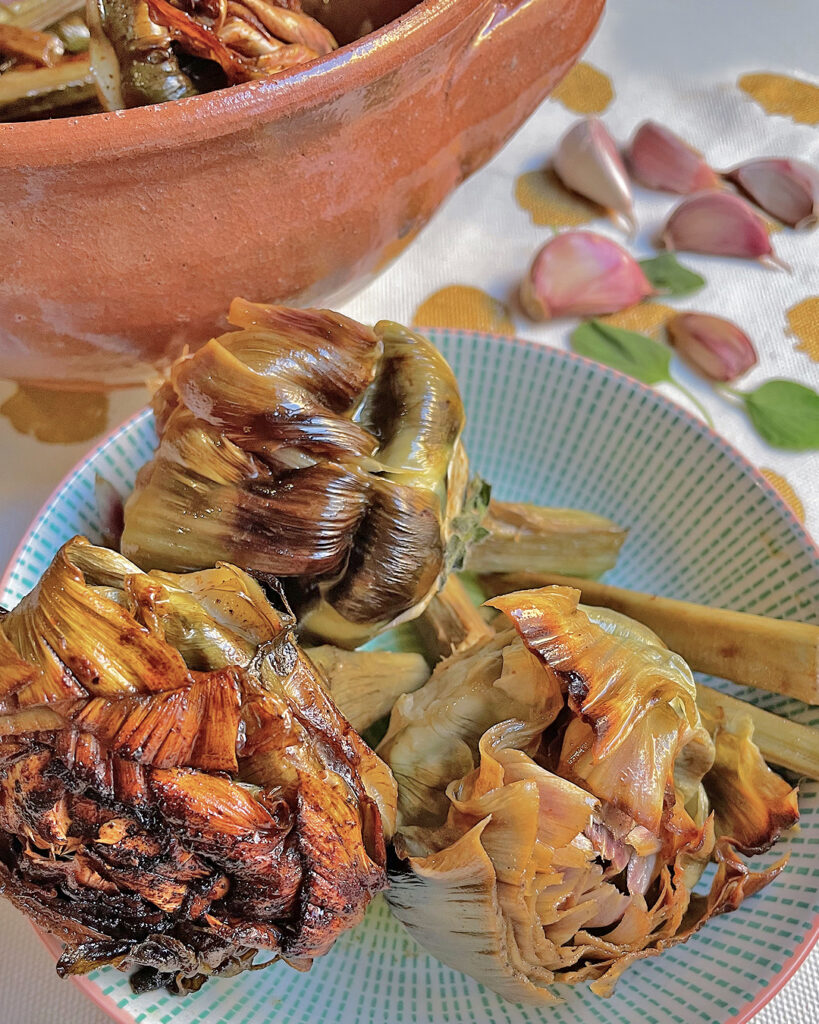
Cover with a lid and cook over medium heat for about twenty minutes. Then cut the belly of an artichoke with the tip of the knife to check the cooking: it must penetrate easily. Raise the heat and cook for another 5 minutes, to lightly scorch the leaves which will be more crunchy and appetizing
Let the artichokes cool in their oil before to serve
Notes
Artichoke Roman-Style or “alla Giudia”? Rome has two classic (and very famous) recipes for cooking artichokes and the choice is so difficult that it is better to eat them both. Of the former I speak extensively in this recipe; the artichokes "alla Giudia" (Jevish), on the other hand, are born in the Jewish Ghetto (Jewish District) which is one of the most beautiful and evocative points of old Rome, a step away from the Tiber river and surrounded by ancient monuments. They are fried in oil after being "beaten" against a surface in order to flatten them and make cooking faster They look like stylized flowers with crunchy petals and a very soft heart. If you are in the city, I recommend you try them at www.ristorantepiperno.it which has been preparing artichokes for 150 years!
ItalianCookingTips
Cleaning artichokes requires patience and experience. In the Roman markets there are already clean ones (ready to be cooked) at very high prices. I recommend you to throw away all the hard leaves, even at the cost of seeing your artichoke reduced by half
ItalianCookingTips
I also add the lemon (that I used to whiten) to the cooking artichokes, after having removed the peel: it is not essential but I like its acid touch
ItalianCookingTips
Artichoke loves oil: don’t skimp, you have to use it in abundance if you want your artichokes to be really succulent


No Comments