
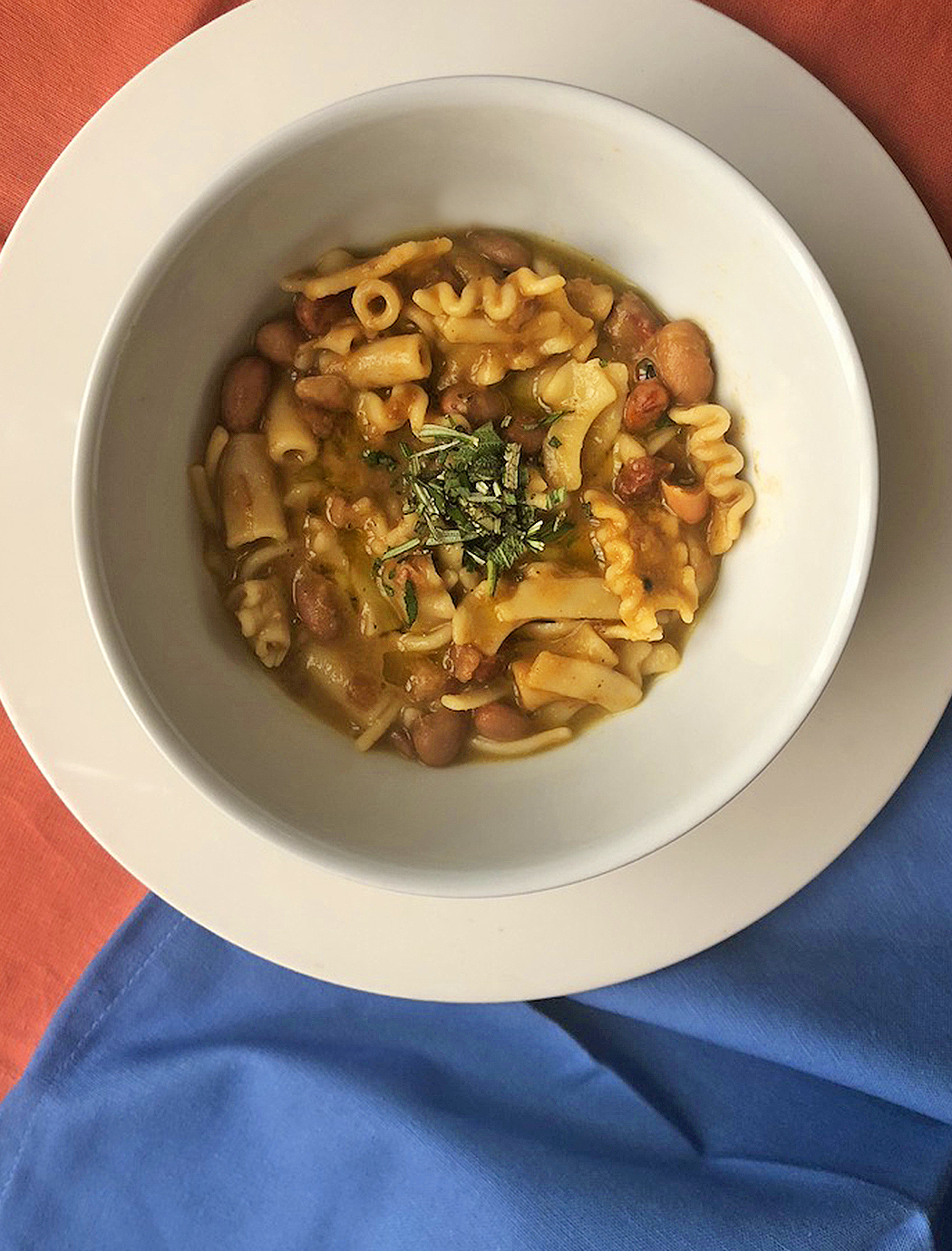
Pasta e Fagioli
 (No Ratings Yet)
 Loading...
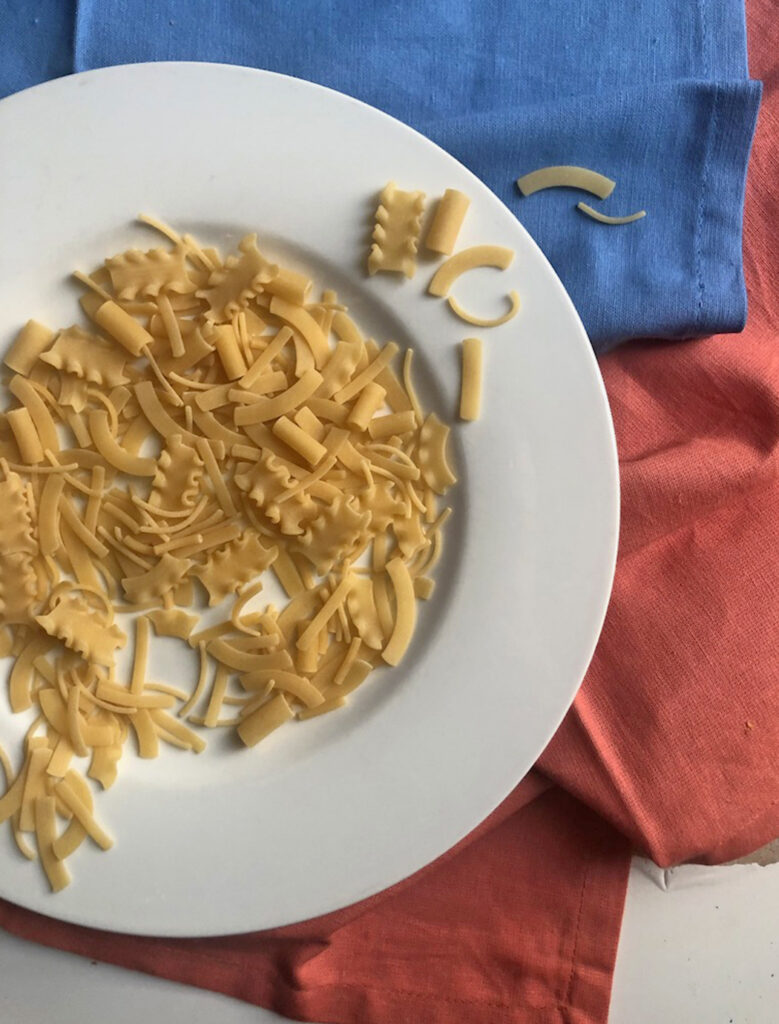
Pasta e Fagioli (fagioli = beans), a great classic of Italian cooking: one of our famous soups enriched with pasta. A single dish of the peasant tradition that warmed up the winter evenings and was prepared with poor ingredients that everyone had at home: legumes, beans (but all legumes are equally good), aromatic herbs and a piece of pork (if you were lucky). Italian cuisine therefore includes "soups" and "minestra" and the difference lies in the fact that the former are usually enriched with pasta or rice, while the others include only vegetables and legumes. Attention: how strange the pasta you see in the picture! It is called "mixed pasta" and was once made up of all the leftovers of pasta that were cooked all together so as not to waste them. In Rome, Pasta and Beans is made with "mixed pasta" which today is also sold in ready-made packages. You can use broken spaghetti or short pasta of small size
Ingredients
- Beans 1 kg (fresh or dry)
- Pasta 200gr
- Onion 1
- Celery 2 or 3 stalks
- Carrot 1
- Italian Pancetta (or bacon) 4 slices
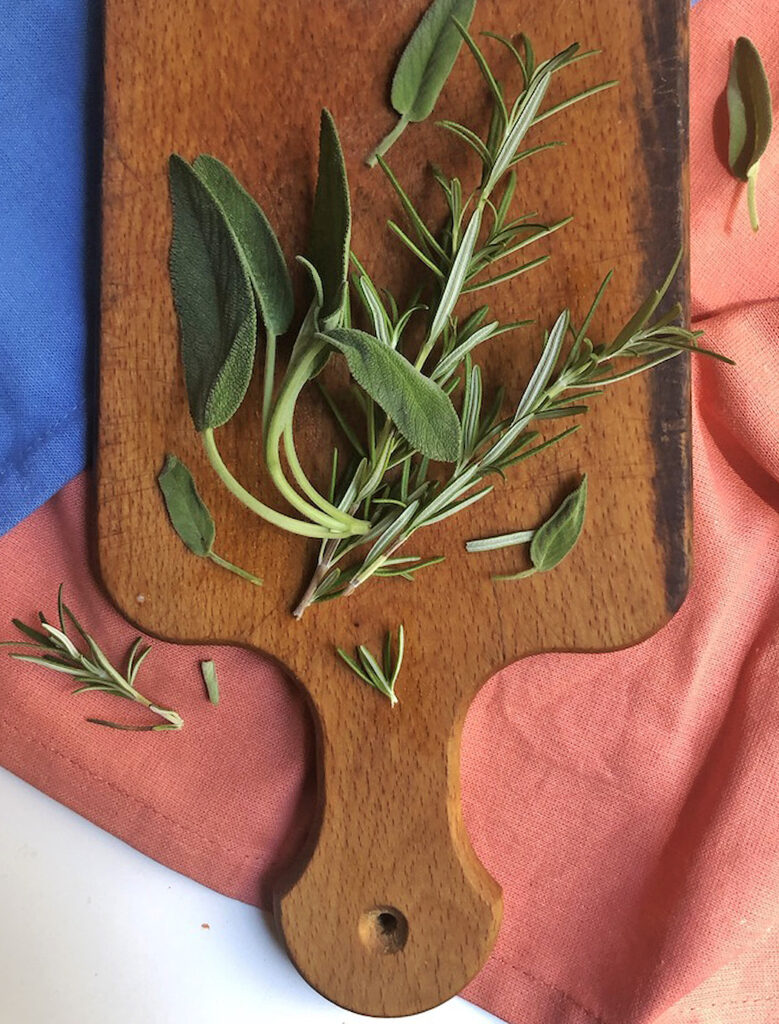
- Fresh Rosemary and Sage (or other fresh aromatic herbs you like)
- Bay Leaf 1
- Bicarbonate 1 tablespoon
- Tomato Paste 2 tablespoons
- Extra Virgin Olive Oil
Instructions
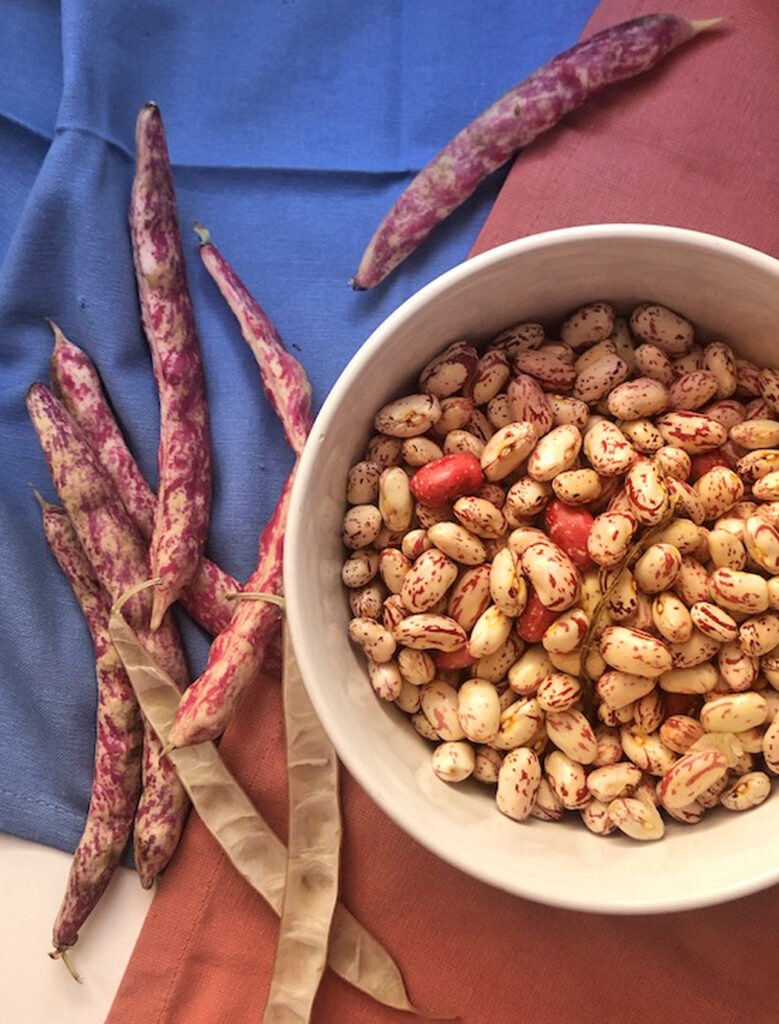
I love making this recipe with fresh beans, the "borlotti" to be precise, because they are sweet and mellow. However, I must tell you that the original recipe provides for the use of white beans (which we call "cannellini") which must be placed in water for at least 8/10 hours before being cooked
Per prima cosa dobbiamo lessare i fagioli e, contemporaneamente, preparare il “fondo” che darà gusto e sapore a tutta la ricetta.
Potete farlo anche in anticipo, per esempio il giorno prima, ricordando di non buttare l'acqua di cottura che ci servirà durante la preparazione
Put the beans in a pot with plenty of cold water, add 1 bay leaf, 1 tablespoon of oil, 1 of bicarbonate (which makes the legumes softer) and cook over a very low heat removing the foam that you will see thicken on the surface of the water. After 30 minutes, add the salt and start tasting the beans: remove them from the heat when they are tender, it will take about 40 minutes.
While the beans are cooking, dedicate yourself to the "fondo" by cutting the pork into cubes and chopping celery, carrot and onion. Collect everything in a pan large enough to contain beans and pasta and prepare the "soffritto" (http://www.italiancookingtips.com/the-perfect-soffritto) also adding the tomato paste to give color.
Blend 1/3 of the beans to obtain a cream, then pour the whole beans into the soffritto and let them flavor, then add the bean cream that will help make the recipe soft and enveloping.
There is nothing left to do but boil the pasta. Many do this in the same water in which the beans were cooked. I prefer to cook it in another pot with clean water to avoid adding starch to starch.
Add the pasta to the beans, mix very well and pour a few ladles of the cooking water from the beans to make the preparation creamy. This final step is very important because you will have to dose the cooking water to have a soup that is neither too liquid nor too thick.
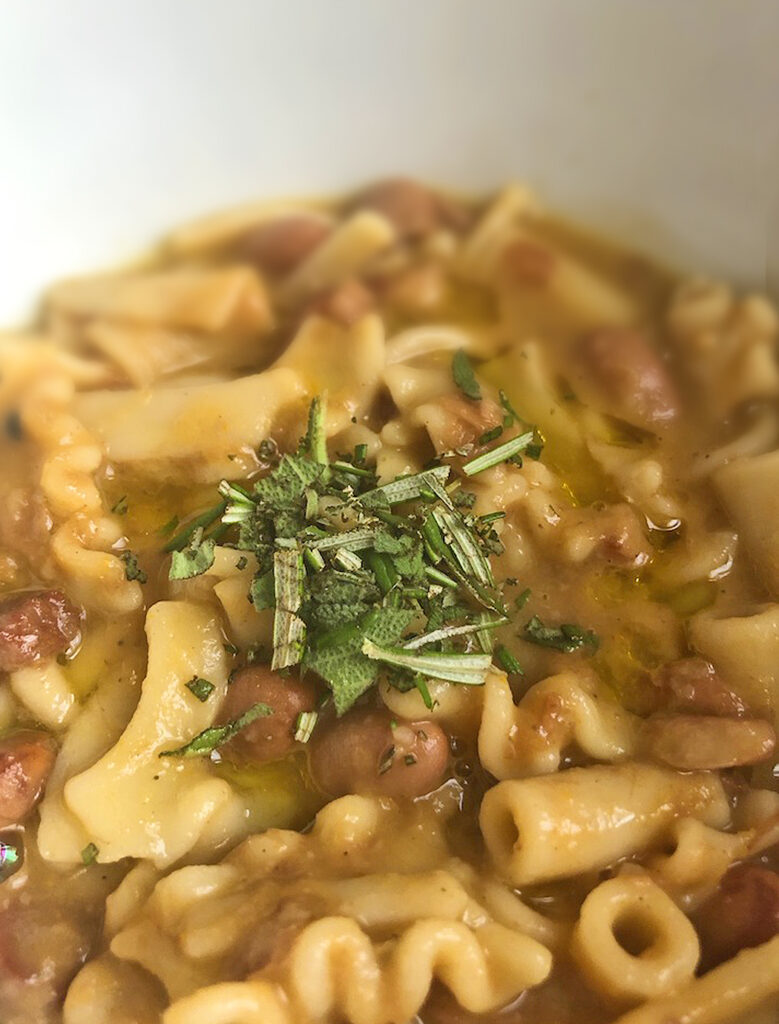
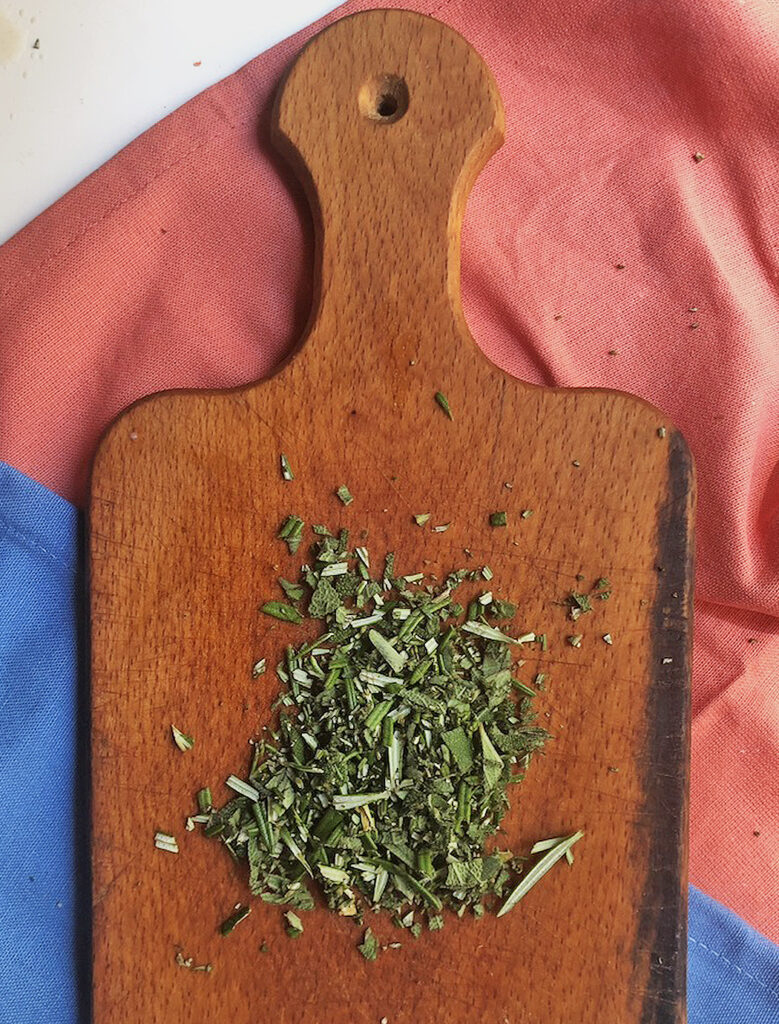
Prepare a mixture of aromatic herbs finely choopped and add it to the soup that should be brought to the table immediately, hot, and is served by adding olive oil and, if you like, a little fresh chilli.
Your soup will taste even better the next day. You will see that in the meantime it has thickened a lot and if you want to make it creamier you can add a little vegetable broth.
Notes
Pasta e Fagioli. Beans, lentils, chickpeas, peas: there are many variations of this soup that you can cook by adding all your creativity to the steps I have illustrated. The most important rule, however, is that the result is "velvety": not too liquid but not too thick. For this reason, cooking times are fundamental and the broth should be added little by little, when necessary, to prevent the soup from "pulling" too much
ItalianCookingTips
Beans need to cook in unsalted boiling water. The salt, in fact, breaks them down making them soft and chewy and should be added when the beans are tender. A spoonful of baking soda makes the beans softer and reduces cooking times
ItalianCookingTips
Beans are important, but the water in which they are cooked is also important for this recipe: don’t throw it away! You will need to dilute the soup during the various steps
ItalianCookingTips
Aromatic herbs are not a detail: they add freshness and taste and make the recipe more rounded, in fact, beans and pasta have little flavor and should be enriched!
ItalianCookingTips
Do you want to use canned beans? Ok, why not: you will still have a soup by skipping all the steps that illustrate the boiling of the beans.


No Comments